How To Get Internship Experience With Forage
NOTE: Link to website is in “How It Works”.
Breaking into Tech: A Guide to Virtual Internships with Forage
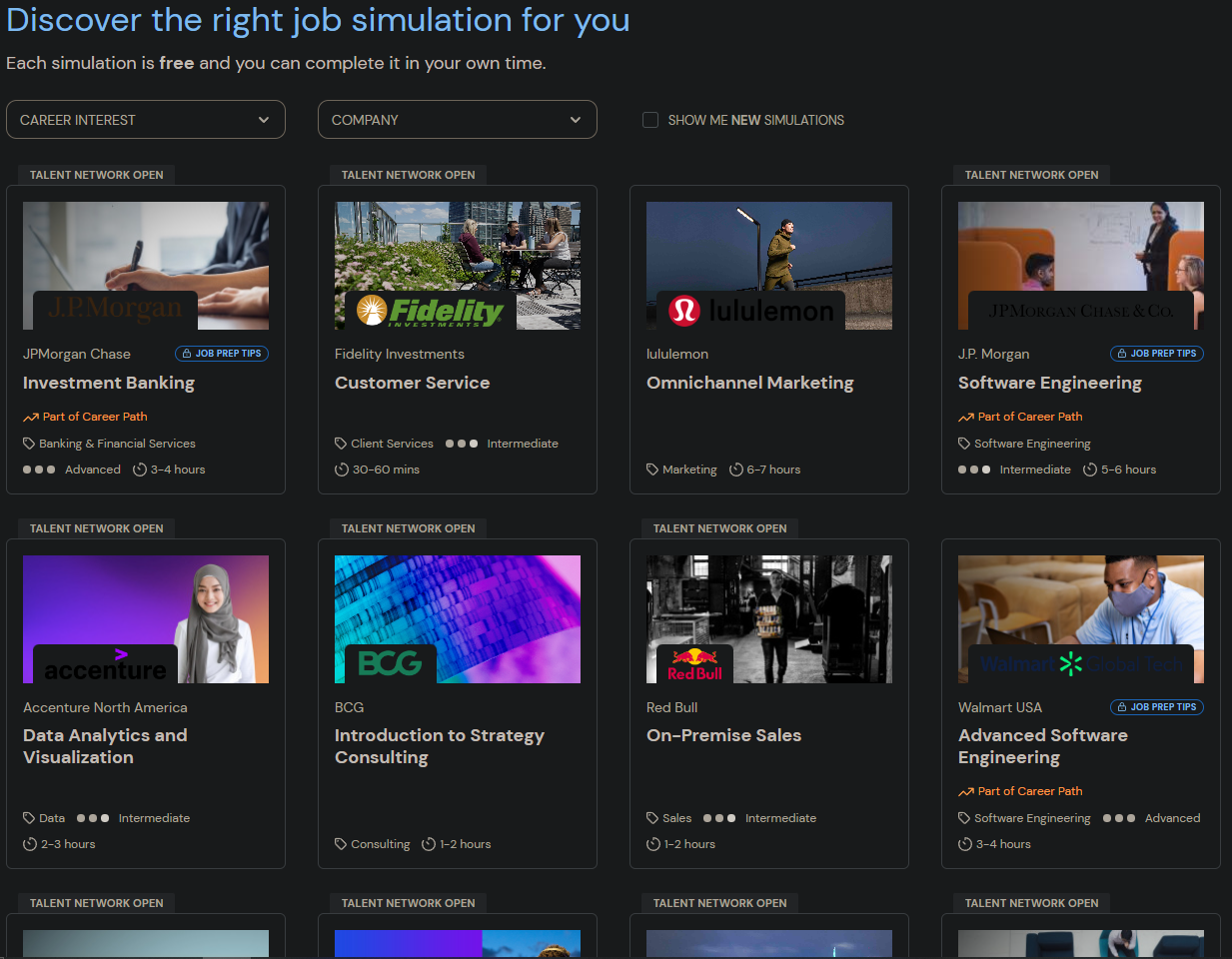
If you’re hunting for an internship in tech, whether in cybersecurity, software engineering, or design, this post is your go-to guide! Enter Forage, a company offering free job simulations that can boost your resume and give you a taste of what working at top companies like JP Morgan, Walmart, Lululemom, and more a like.
In today’s competitive job market, landing that first internship can feel like a daunting task. But with resources like Forage, you can gain hands-on experience without even leaving your home. Whether you’re fresh out of school or pivoting into a new field, these simulations offer a practical and accessible way to build your skills and impress potential employers.
What is Forage?
Forage creates free job simulations that mimic real-world tasks at top companies. Designed specifically for entry-level candidates, these simulations give you a glimpse into the daily tasks you would perform if you were actually on the job.
Imagine working on projects for companies like JP Morgan, Bank of America, Walmart, or Lululemon—without ever stepping into an office. That’s the beauty of Forage. These simulations provide a unique opportunity to develop your skills in a controlled environment, preparing you for the challenges you’ll face in the real world.
Benefits of Using Forage
Why should you consider using Forage? First and foremost, these simulations are an excellent way to enhance your resume. In a field as competitive as tech, having relevant experience can set you apart from other candidates. By completing a Forage simulation, you demonstrate to potential employers that you have the skills and initiative needed to succeed.
Moreover, Forage offers a unique advantage: the tasks you complete can only be added to your CV after you’ve successfully finished them, ensuring that you have genuinely acquired the skills. Companies that partner with Forage, such as JP Morgan, Bank of America, and Walmart, often view these simulations as a direct pathway to employment. In fact, there’s an option to opt into sharing your progress with these companies during the simulation, which can significantly enhance your chances of landing a job with them.
Additionally, these simulations offer real-world experience. You’re not just reading about what it’s like to work at these companies—you’re actually performing tasks that employees at these companies would do. This hands-on approach can help you build confidence and better understand what a career in your chosen field entails.
And did I mention they’re free? Unlike some other training programs, Forage is completely accessible to anyone with an internet connection. You don’t need to spend a dime to start building your career.
How It Works
Getting started with Forage is incredibly easy. You simply sign up on their website, browse through the available simulations, and choose the ones that interest you. Whether you’re drawn to cybersecurity, software engineering, or design, there’s likely a simulation that aligns with your career goals.
Each simulation varies in length, with some taking up to 8 hours to complete. This extended duration means you’re getting an experience that feels like a real job, helping you to understand the commitment and focus needed in a professional setting.
If you’re ready to dive in, follow this link directly to the trainings and explore the options available.
Personal Experience
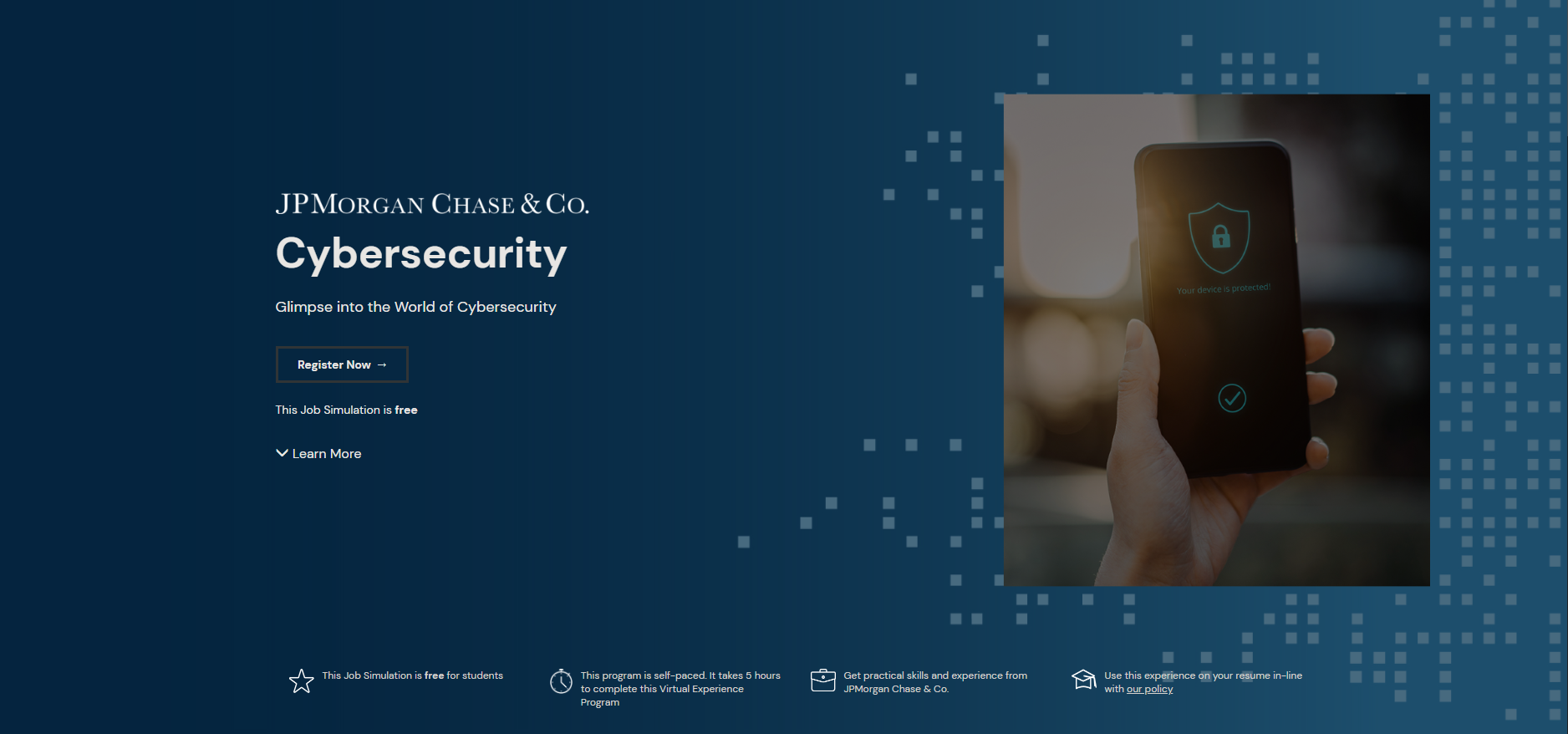
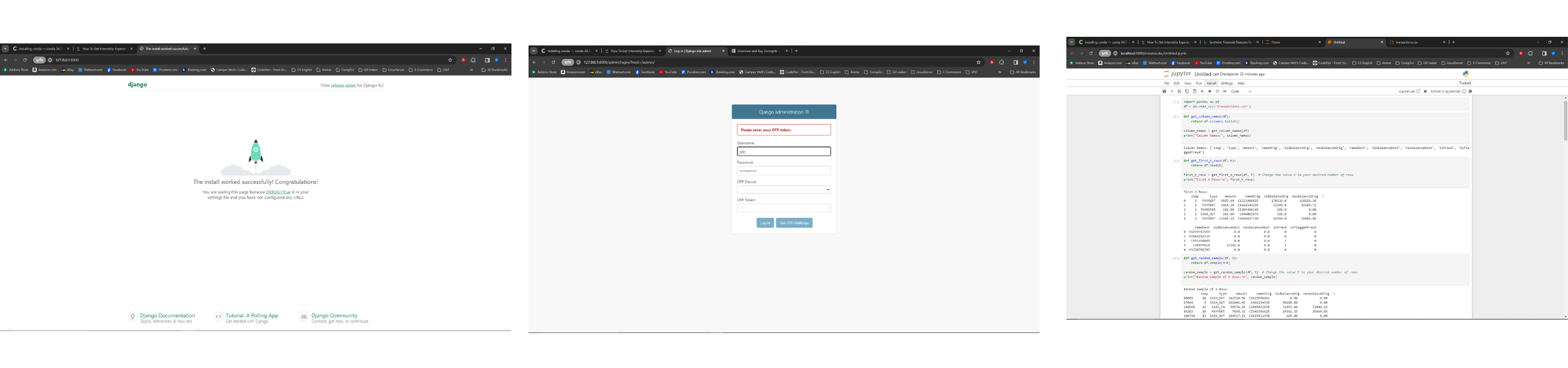
I decided to put Forage to the test by trying out a few of their simulations. My first stop was the JP Morgan & Co Cyber Security simulation, which offered a variety of challenging tasks. The first task was to analyze a large dataset of fraud in financial payment services. This exercise required me to identify patterns and anomalies within the data, sharpening my analytical skills and giving me insight into the types of fraud financial institutions face daily.
The next task focused on learning about application security fundamentals and putting them to use on my own website. This was an incredibly hands-on experience, allowing me to directly apply security best practices to a real-world scenario, enhancing my understanding of how to protect web applications from common threats.
Finally, I tackled the Spam or Ham? Build an Email Classifier task, where I had to create a model to distinguish between spam and legitimate emails. This involved working with machine learning algorithms and applying them to classify emails accurately, which was both a challenging and rewarding experience.
Next, I tackled the Commonwealth Bank Introduction to Cybersecurity simulation. This one offered a broader overview of cybersecurity principles, perfect for someone looking to get their feet wet in the field. The tasks were challenging yet rewarding, helping me build a solid foundation of knowledge.
.png)
Finally, I completed the Mastercard Cybersecurity simulation, which stood out for its practical approach. Task One involved designing a phishing email simulation, where I had to craft an email that could test the awareness of potential targets within an organization. This task required a deep understanding of social engineering tactics and how they can be used to exploit vulnerabilities.
Task Two was equally challenging, as it required me to interpret the results of the phishing simulation I had designed. This involved analyzing data to identify patterns, measure the effectiveness of the simulation, and suggest improvements for future security protocols. It was a valuable experience that taught me the importance of vigilance and precision in cybersecurity.
Each simulation provided unique insights and hands-on experience that I wouldn’t have gotten elsewhere. These programs not only boosted my confidence but also gave me concrete examples of my skills that I can now highlight on my resume.